The first phase of the relief drive was conducted in Waikkal, Thoppuwa and Pelampitiya in the Puttalam and Kegalle Districts in December 2025 and January 2026 using the funds raised from a fundraiser for the families impacted by Cyclone Ditwah.
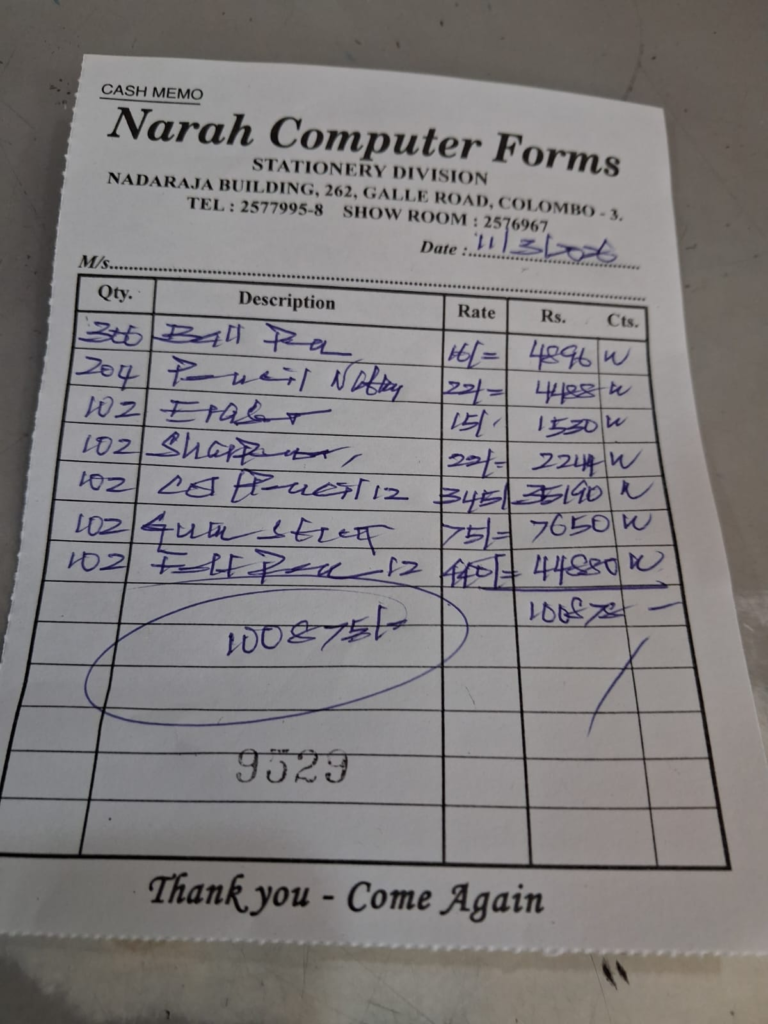
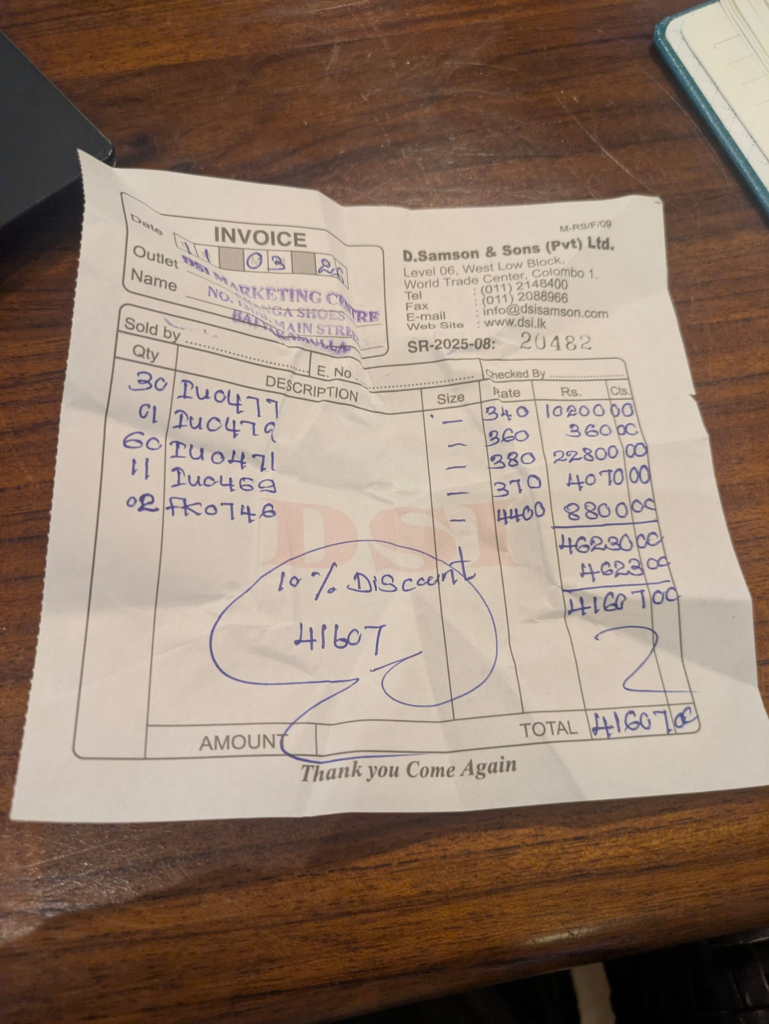
The second phase of the relief drive was conducted in Gampola and Kotmale in the Kandy and Nuwara Eliya districts on 12 March 2026 and a sum of LKR 716556.42 was spent. The total sum raised, AUD 5,530 (equivalent to LKR 1,134,232.22) has been spent.
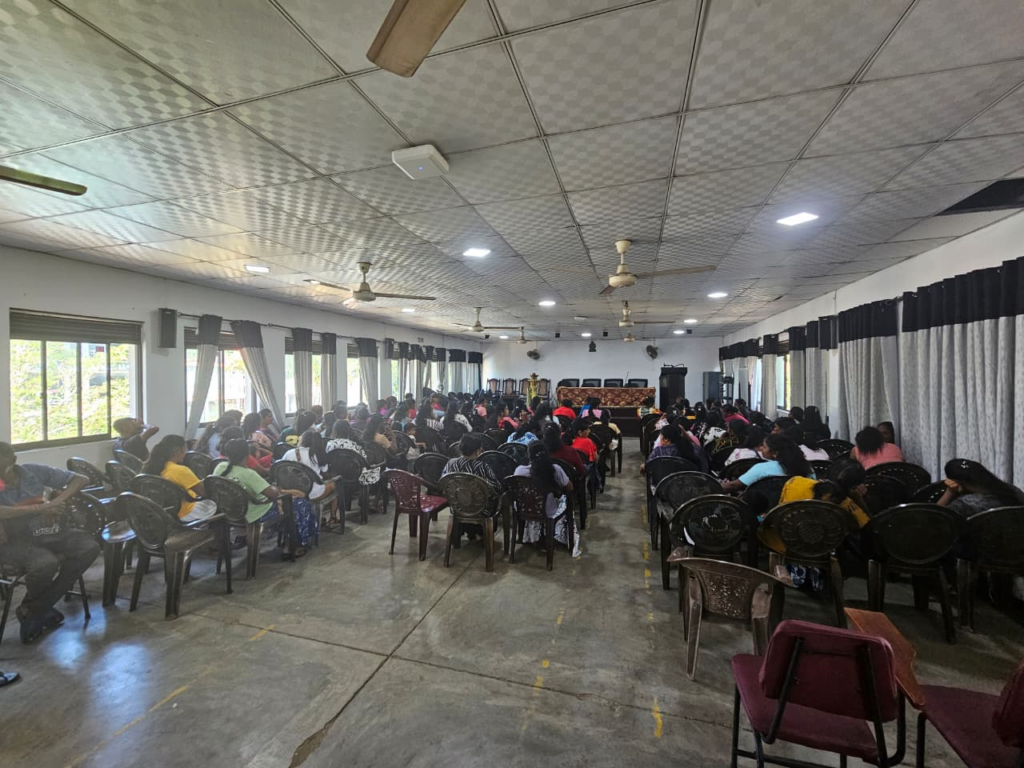
Families impacted by the cyclone were identified by local officials. These families included those directly affected by the cyclone, as well as those whose employment and livelihoods were disrupted due to businesses closing as a result of the disaster. One urgent need identified was the provision of school supplies for children from approximately 800–900 families. Given our available funds, we were only able to provide support for 102 families. Tokens were issued by the DS office to these families for the distribution.
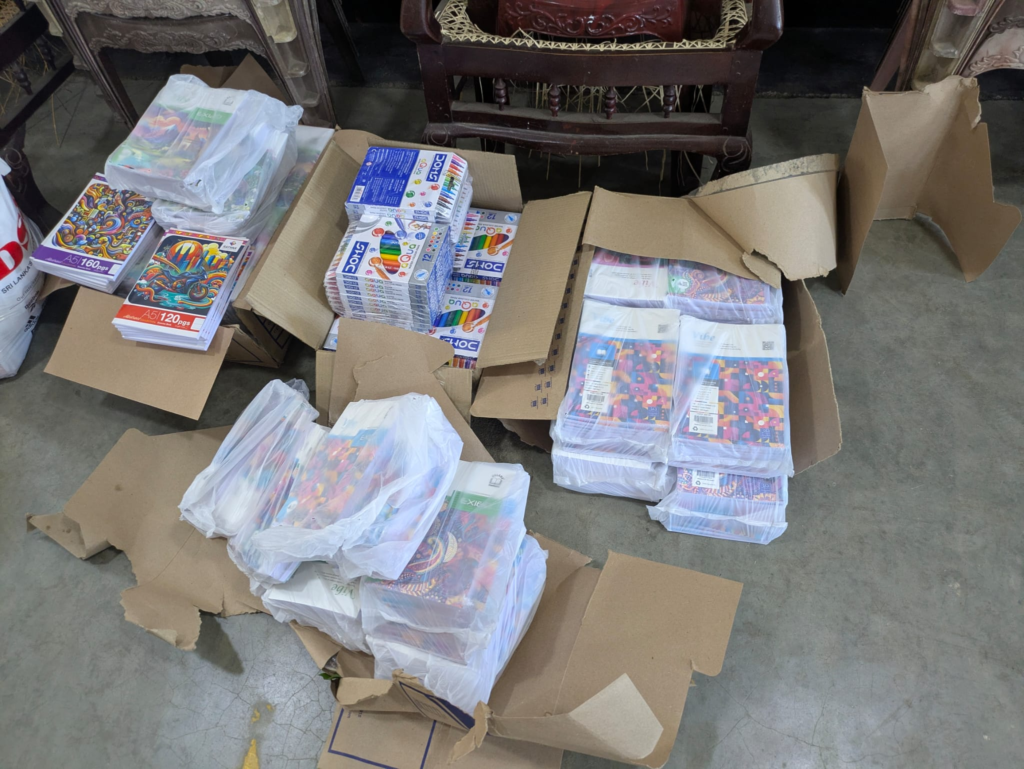
Each pack included:
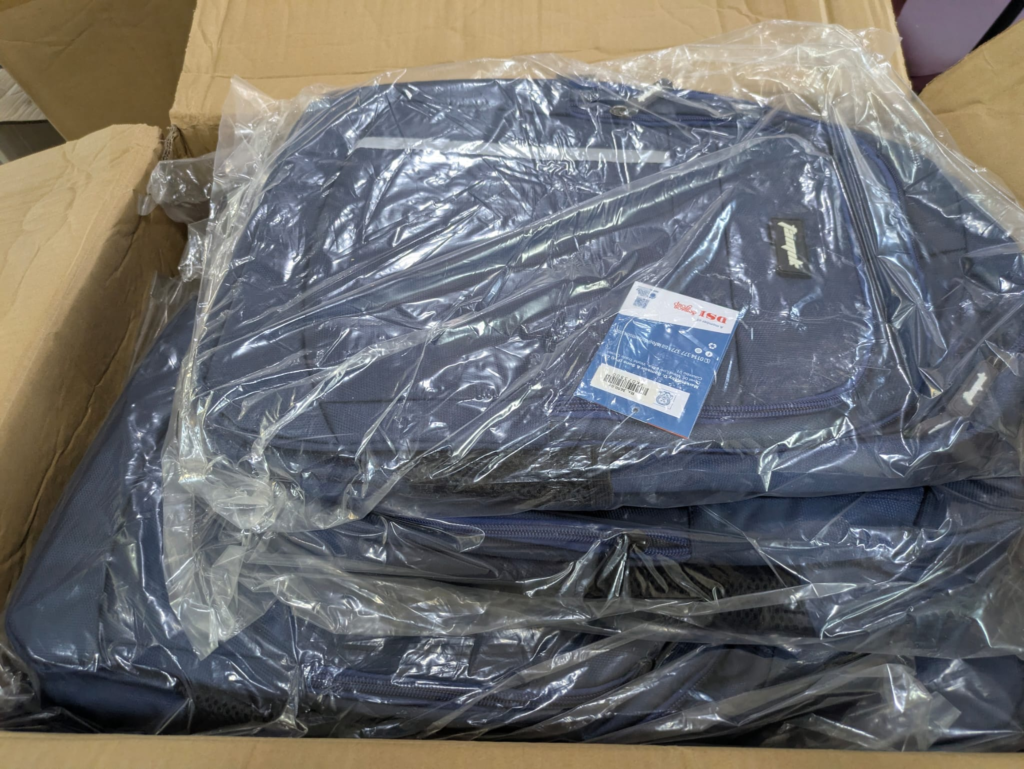
- 1 DSI school bag (TAMIK-FK0738 – blue and black, and TAMIK-FK0736 – black)
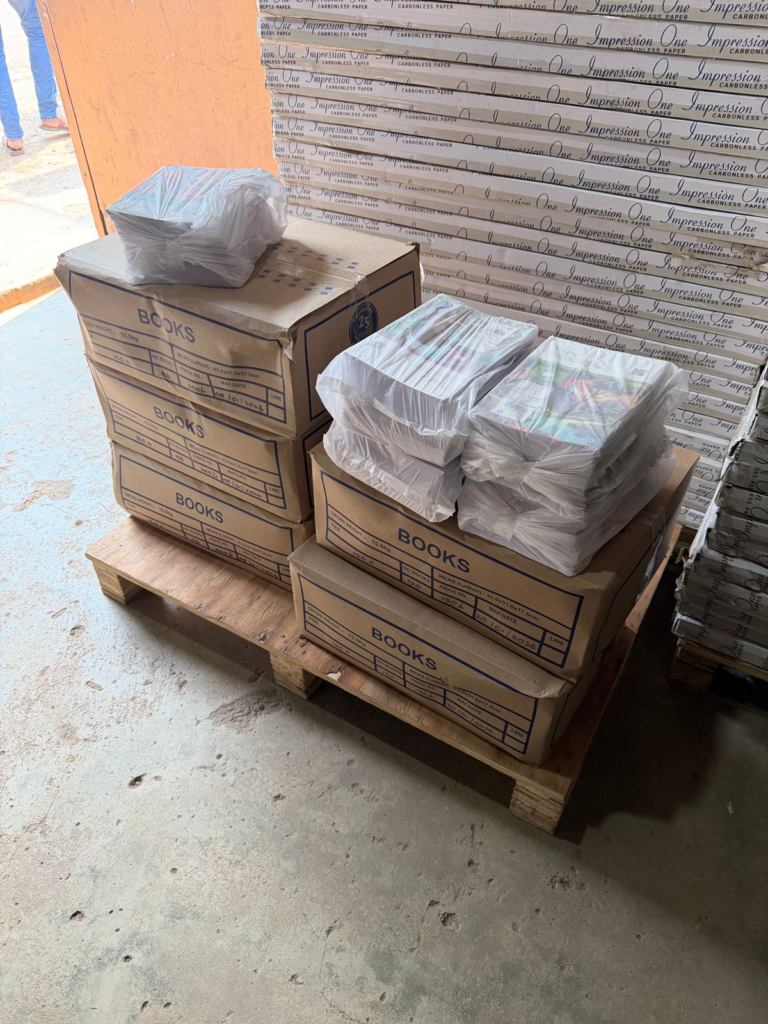
- 3 × 120-page exercise books (donated in kind by an external donor)
- 3 × 160-page exercise books (donated in kind by an external donor)
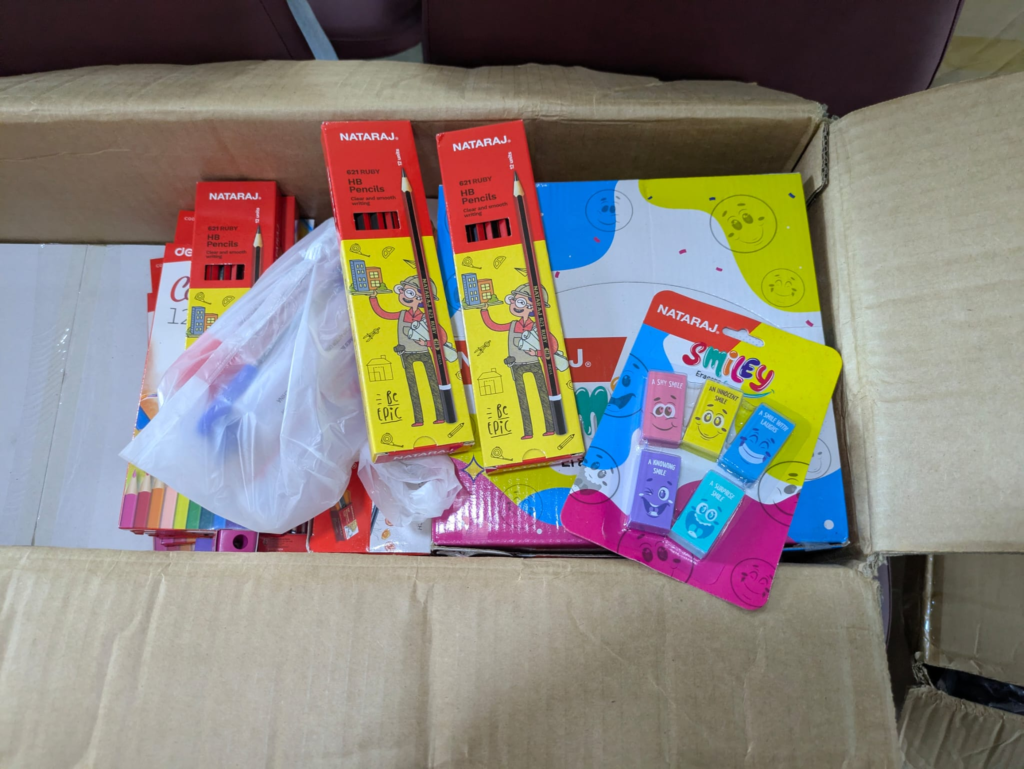
- 1 Platignum stationery pack
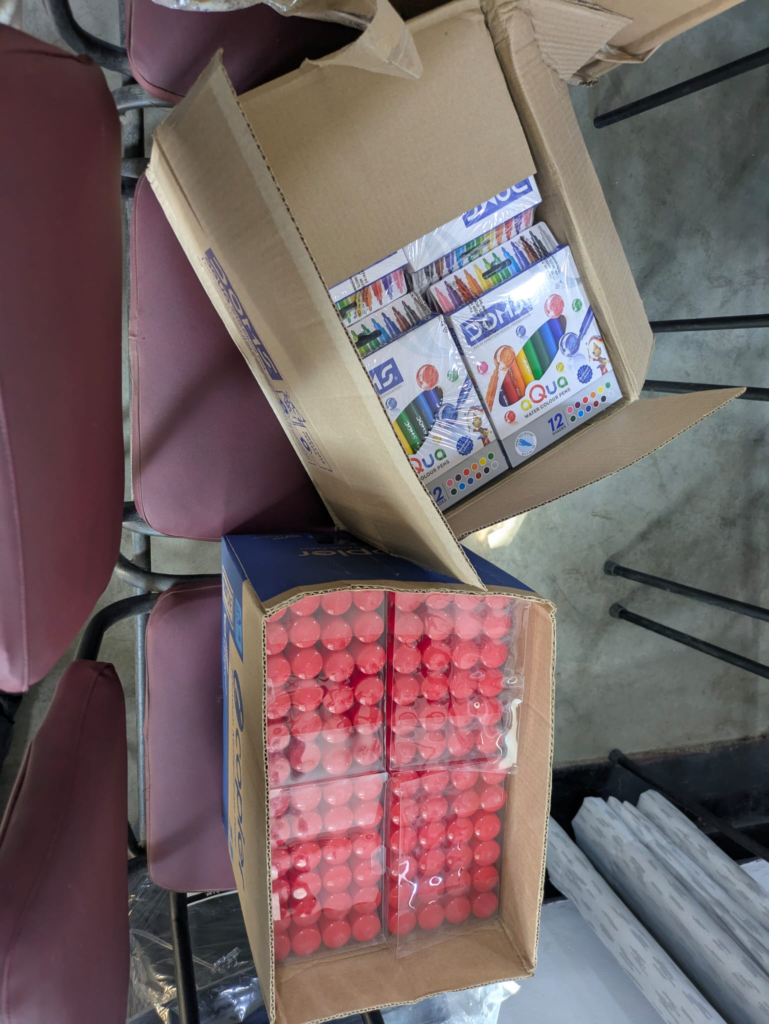
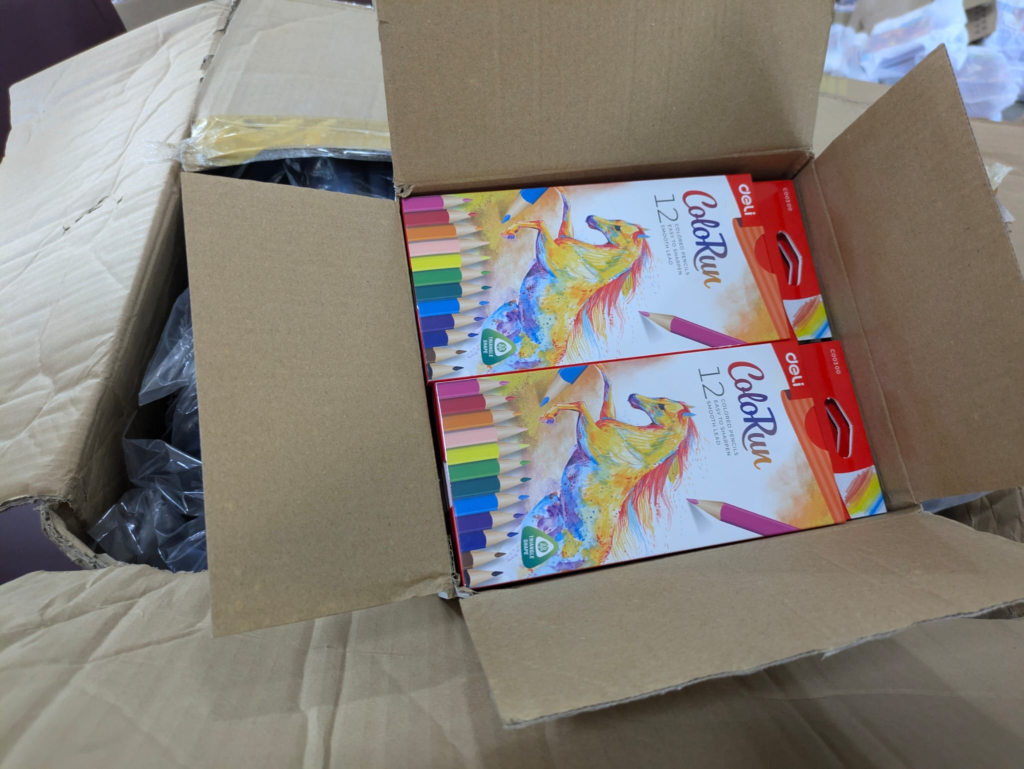
- 1 pack of 12 coloured pencils
- 2 pencils
- 3 pens
- 1 eraser
- 1 sharpener
- 1 glue stick
- 1 pair of white DSI socks (large/medium)
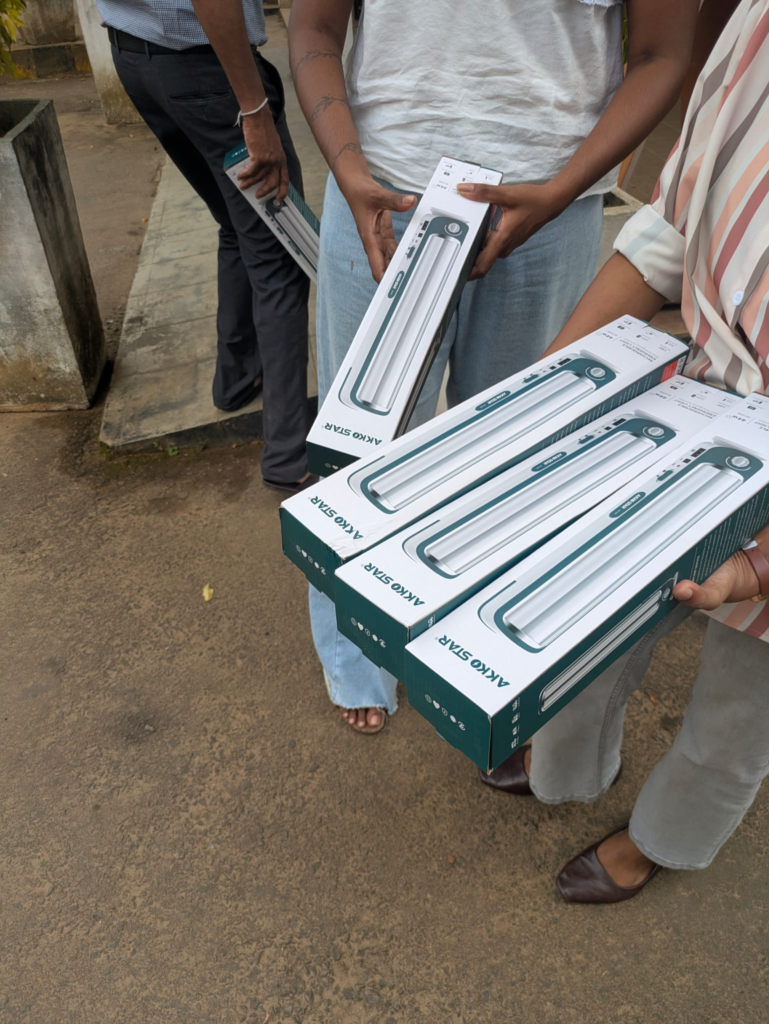
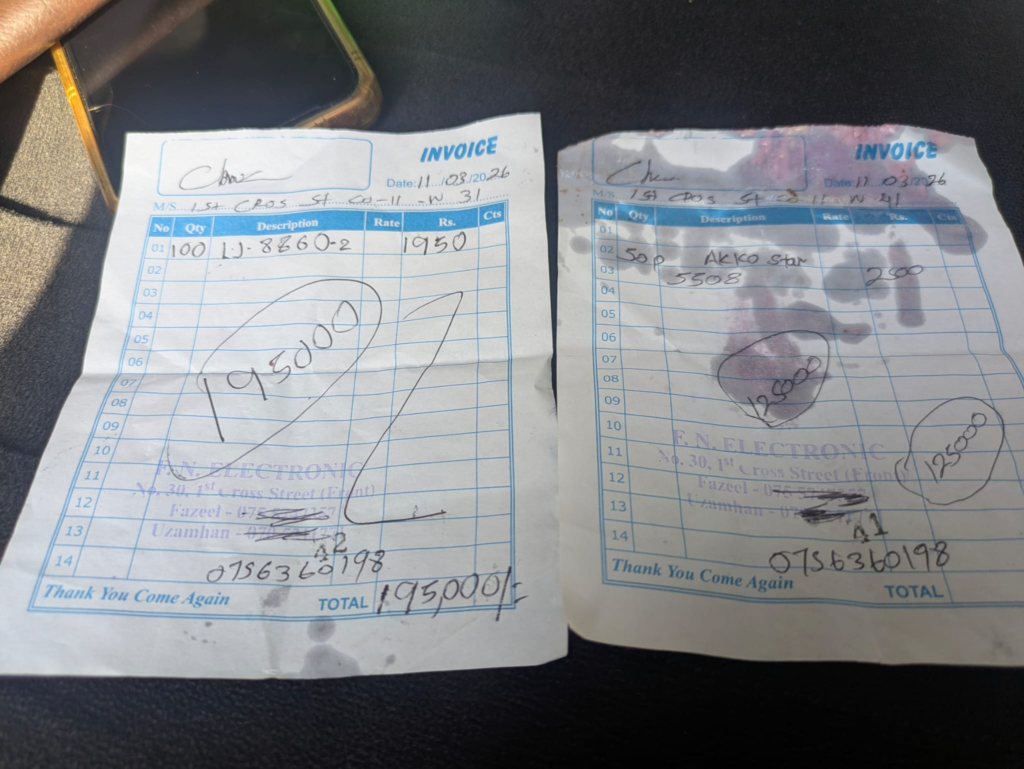
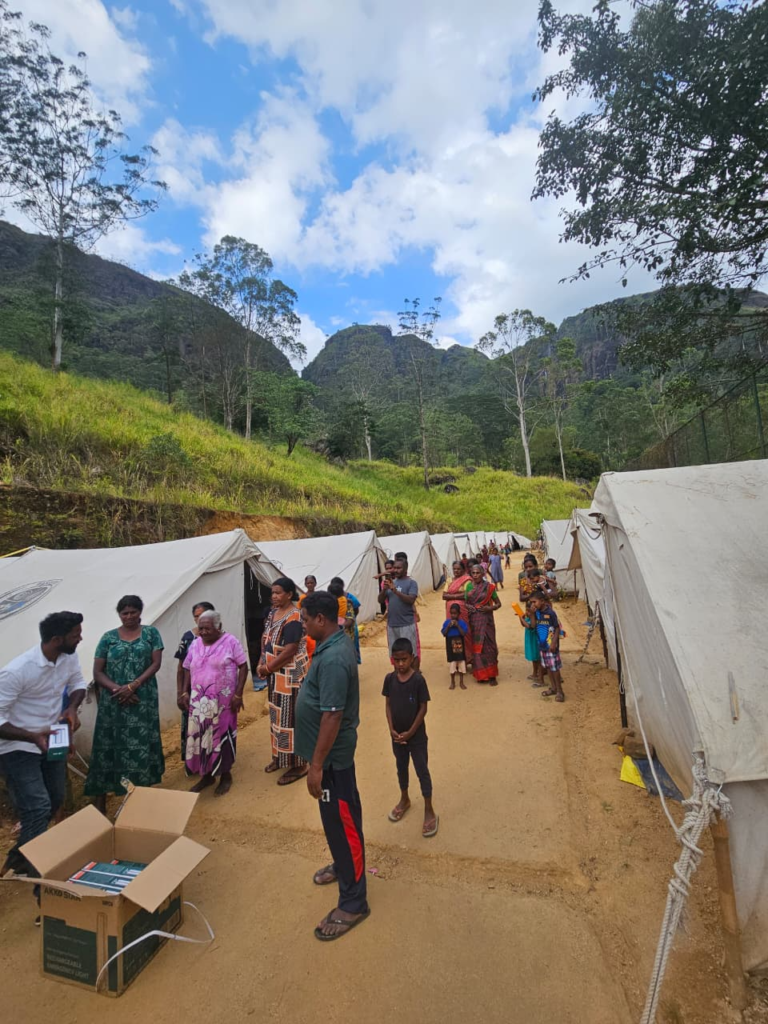
In Kotmale, the Divisional Secretariat in Tawalantenne requested makeshift rechargeable lights that could be used in the temporary camps where those affected by the disaster were living. Once again, the request was for lights for approximately 800–900 families, but we were only able to fulfil the request for 150 families. We purchased 150 AKKO STAR Dual LED Rechargeable Emergency Lights (6.8W). We personally handed over 25 of these lights at one of the camps where displaced persons are currently residing, as they are unable to return to their homes. The remaining lights were given to the Divisional Secretariat for distribution.
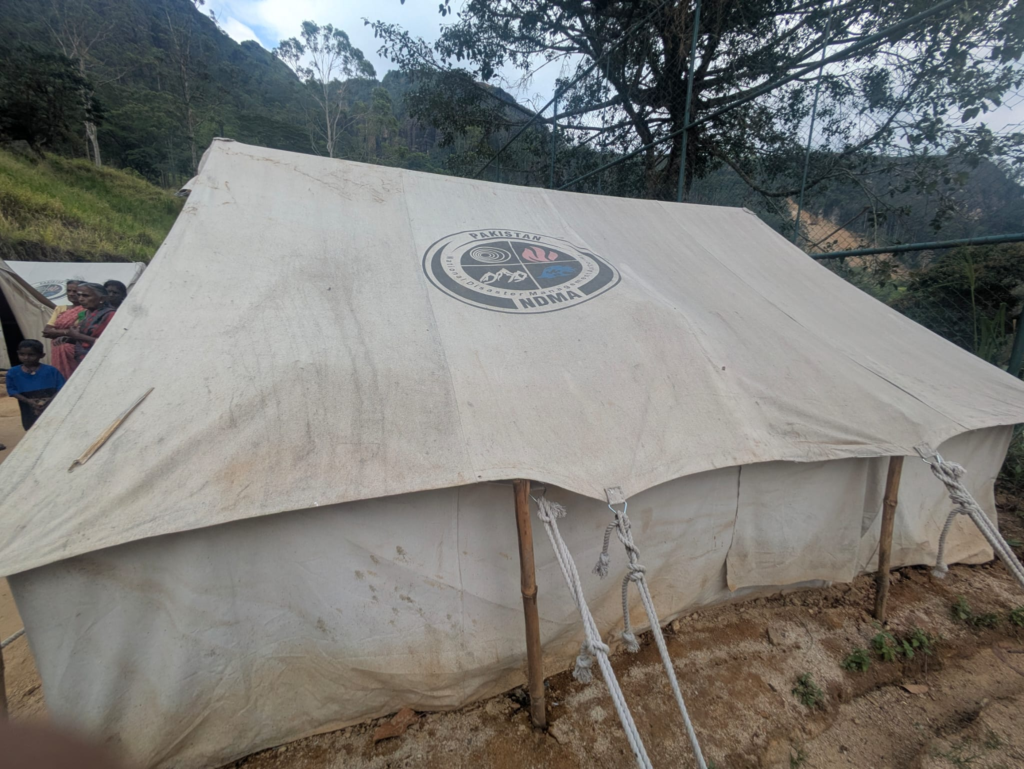
In the camps, the tents had been donated by Pakistan. Residents prepared their meals in a shared kitchen area outside the tents, within a small hut nearby. A kovil was also located close to the camp. When we spoke with residents about any special requirements they might have, they mentioned that one person with a disability found it difficult to sleep on the ground inside the tent. A mobile bed designed for persons with disabilities would greatly assist this individual. (We will be posting an appeal to crowdsource funds for this shortly).
When we spoke to a Divisional Secretariat official, he explained that the people currently living in the camps remain in a state of limbo. Government policy states that Rs. 25,000 will be provided to those whose homes were affected so they can rent temporary accommodation. However, those residing in camps are not eligible for this assistance because they are already housed in the camps. The government has also stated that it will provide Rs. 5 million (Rs. 50 lakhs) for house construction if families already have land. However, many of the affected families do not own land. Although the government can allocate state land, there has been no communication regarding whether this will happen. If families were to look for land and housing support within the Rs. 5 million allocation, suitable land and housing options cannot be found at that price. Due to this lack of clarity regarding land allocation, many families remain in a prolonged state of uncertainty and homelessness months after the disaster.
The insights gained during the aid drives highlighted how communities come together during times of crisis. Affected communities expressed appreciation for several aspects of the support provided.
First, they valued material assistance that directly responded to their immediate needs. Through phased donations, we observed how these needs evolved over time, requiring different forms of support at different stages of recovery.
Second, communities appreciated being able to speak with those providing assistance. Many disaster-affected individuals lack psychosocial support and welcome opportunities to share their experiences, process trauma, and make sense of their circumstances after the disaster.
Third, the government’s immediate response, particularly the deployment of armed forces to clear roads and deliver essential supplies, was appreciated, as was the work of medical teams. The role of local authorities during the crisis was particularly evident. Local officials demonstrated a strong understanding of their communities and worked with dedication well beyond their formal responsibilities. However, the lack of timely decision-making at higher levels regarding the situation of displaced persons living in the camps means that many disaster-affected communities remain in a prolonged state of uncertainty about their long-term resettlement and recovery.
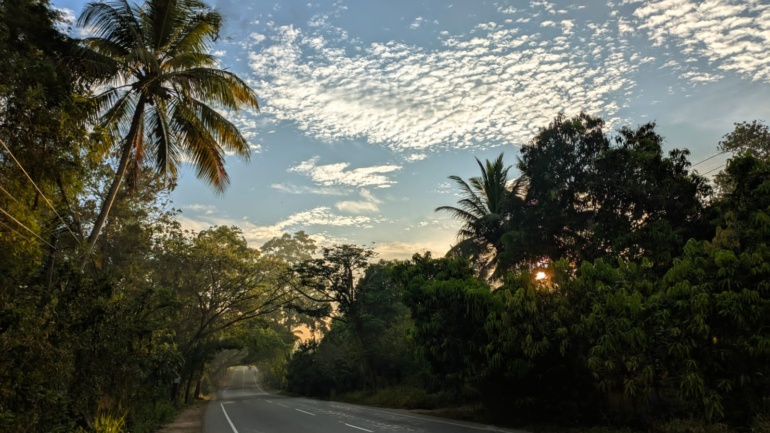
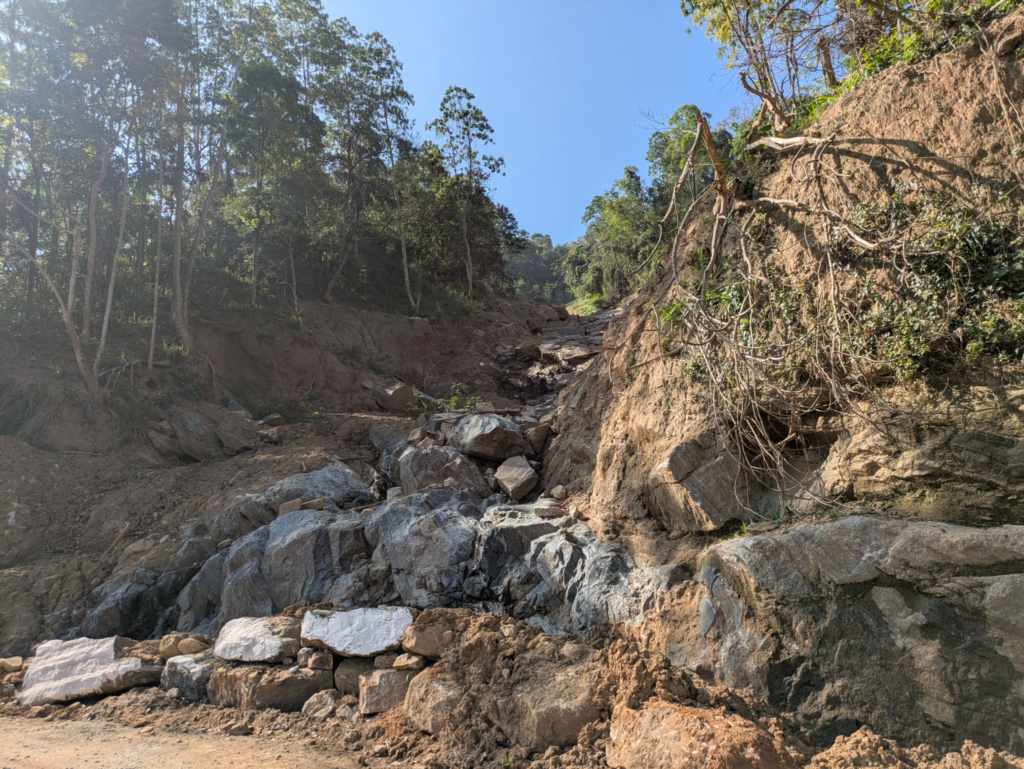
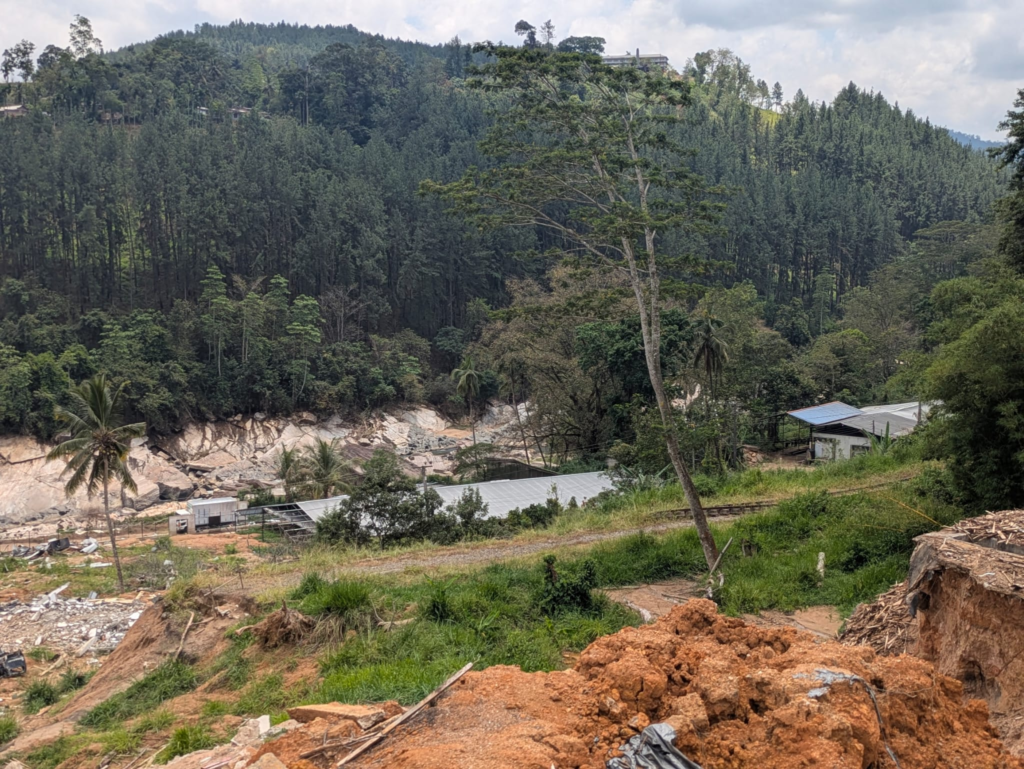
This aid drive would not have been possible without the generous contributions of everyone who donated funds and in-kind assistance. We are thankful for them. Photos of goods distributed, distribution, receipts and of the aftermath of the landslide-affected areas are below.